
Iranians have reacted with a blend of disappointment and defiance following the collapse of peace talks with the United States, which failed to yield an agreement after hours of intense negotiations.
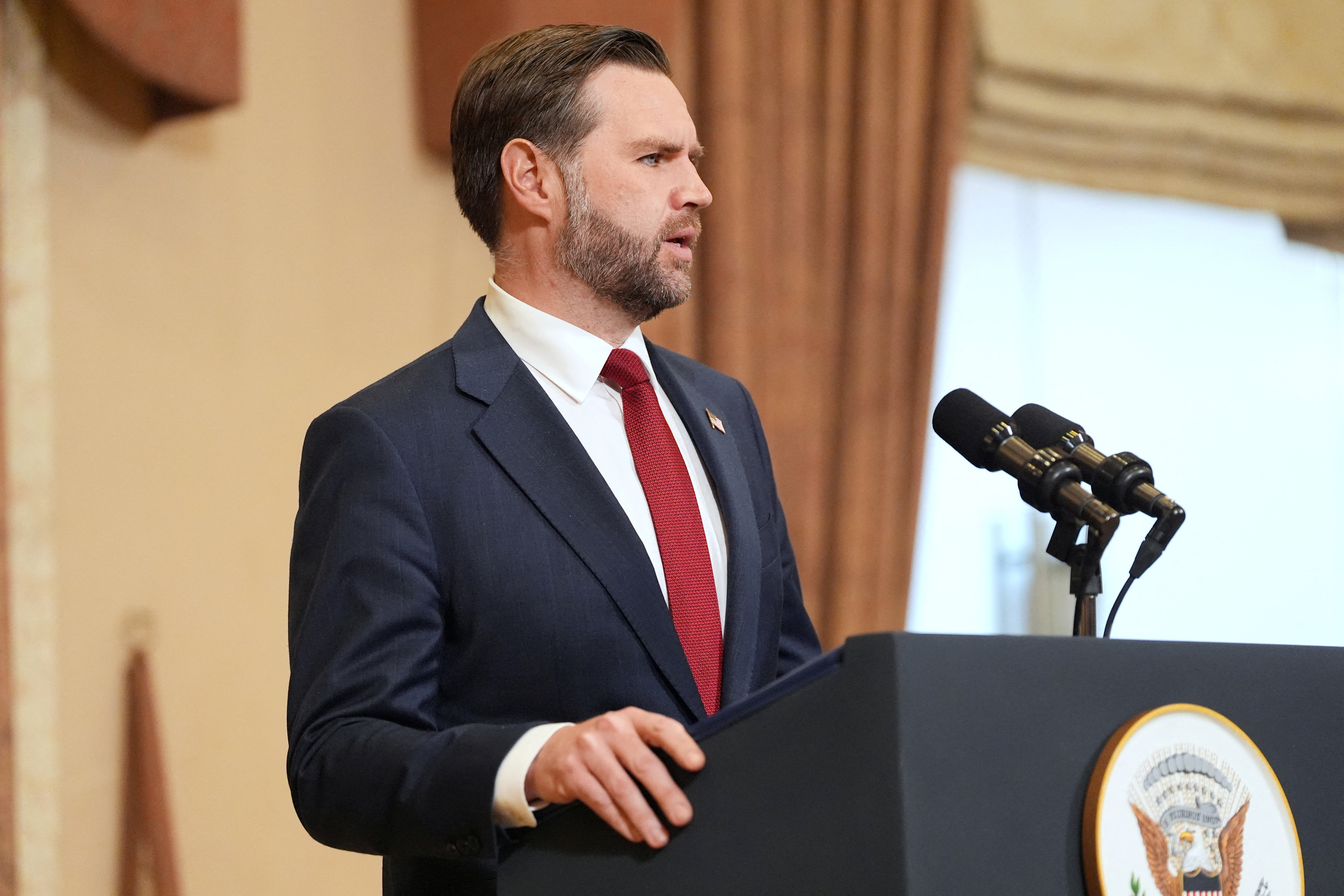
US officials attributed the breakdown to what they described as Iran’s refusal to commit to abandoning its nuclear programme.
Iranian counterparts, however, laid the blame squarely on Washington for the inability to secure a deal, though they did not specify the contentious points.
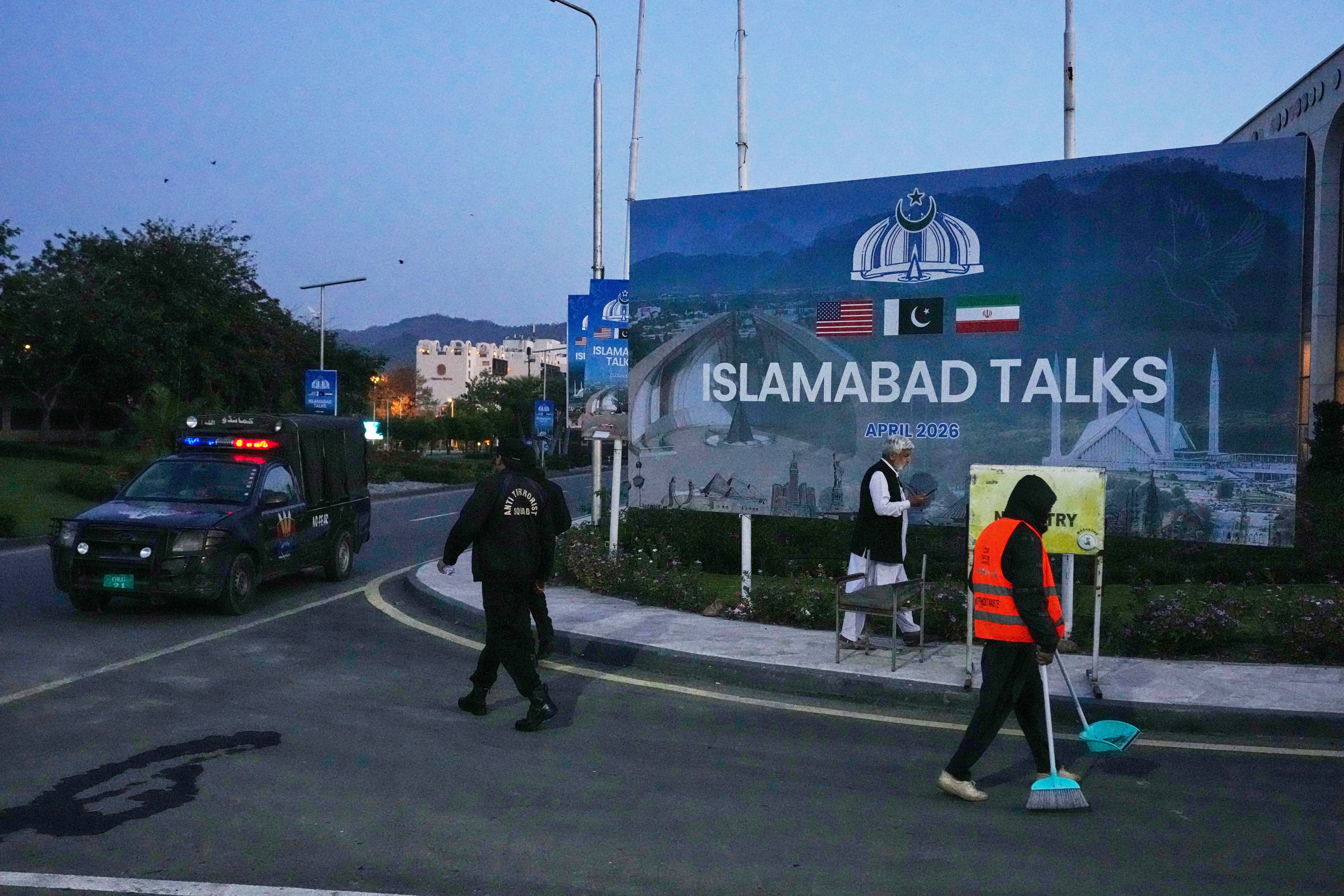
The failure of these high-stakes discussions in Pakistan, which spanned 21 hours, casts significant doubt over the future of a fragile two-week ceasefire, currently set to expire on 22 April.
President Donald Trump has since claimed that American military forces would begin blockading the Strait of Hormuz and refusing free passage to any ship that pays a toll to Iran’s government to travel the strait’s waters.
In Tehran, Farhad Simia, 43, expressed his hopes for successful negotiations and an end to the conflict, telling The Associated Press: “I’m against war. I think negotiation is the better path.”
Despite his disappointment, he stood with Iran, attributing the failure to “inappropriate demands” by the US.
Mehdi Hosseini, also 43, agreed: “Considering the advantage Iran seemed to have on the battlefield, there was a real concern that we might lose all those gains in the negotiations.
“Whether the talks succeed or not is one matter, but the fact that the Iranian negotiating team managed to preserve what it achieved in the war, while refusing to back down and surrender, gives reason for hope.”
The streets of Tehran were lined up with large Iranian flags and giant billboards glorifying the country’s leaders and military achievements.
One large illustration depicted Iranian men in uniform lifting a fishing net out of the sea with a catch of miniature-sized U.S. military aircraft and warships. “The Strait Remains Closed,” the billboard read.
Hamid Haghi, 55, said “America’s overreach” was the reason for the talks’ failure. The U.S. wants “to come to the Strait of Hormuz, which is a legacy from our fathers,” he said. “We can oversee (it) ourselves.”
Like many Iranians, 60-year-old Mohammad Bagher believes Iran should continue to stand strong against the U.S. in what he sees as a war of their own making.
“We are a nation of dialogue and negotiation as long as our interests are respected. We have never sought war,” he said.
“We will stand firm to the end, we are ready to sacrifice our lives, and will not give them one inch of our land.”
Since the U.S. and Israel launched the war on 28 February, it has killed at least 3,000 people in Iran, 2,020 in Lebanon, 23 in Israel and more than a dozen in Gulf Arab states, and caused lasting damage to infrastructure in half a dozen Middle Eastern countries.
Iran’s grip on the Strait of Hormuz has largely cut off the Persian Gulf and its oil and gas exports from the global economy, sending energy prices soaring.
PakarPBN
A Private Blog Network (PBN) is a collection of websites that are controlled by a single individual or organization and used primarily to build backlinks to a “money site” in order to influence its ranking in search engines such as Google. The core idea behind a PBN is based on the importance of backlinks in Google’s ranking algorithm. Since Google views backlinks as signals of authority and trust, some website owners attempt to artificially create these signals through a controlled network of sites.
In a typical PBN setup, the owner acquires expired or aged domains that already have existing authority, backlinks, and history. These domains are rebuilt with new content and hosted separately, often using different IP addresses, hosting providers, themes, and ownership details to make them appear unrelated. Within the content published on these sites, links are strategically placed that point to the main website the owner wants to rank higher. By doing this, the owner attempts to pass link equity (also known as “link juice”) from the PBN sites to the target website.
The purpose of a PBN is to give the impression that the target website is naturally earning links from multiple independent sources. If done effectively, this can temporarily improve keyword rankings, increase organic visibility, and drive more traffic from search results.


